
Deliver consistent plant care instructions across every customer interaction
Store and share accurate growing and plant care instructions for your green stock directly from Rapid Garden POS. Provide information by print, email, or nursery signage so every customer receives clear and consistent guidance for their plants. Good houseplant care tips start with light levels, watering schedules and potting mix, so the instructions you print can cover bright, indirect light, partial shade and full sun for both indoor and outdoor plants. Most plants grow best when the care instructions match the particular plant, so healthy plants start with the right information at the register. Choosing the right plant, and knowing its plant type, is the first step toward healthy growth and a green thumb for every customer. Whether you stock houseplants, perennials, shrubs or seasonal color, consistent guidance helps customers feel confident from the first day.
Plant care instructions work best when they are short, specific and easy to find. Customers should be able to read the light, water and soil guidance in a few seconds, then keep the tag or email for later.
Good instructions also save time at the counter. When the basics are printed, your team can spend its energy on recommendations and add-on sales instead of repeating the same watering advice to every shopper.
The Challenge
Deliver consistent plant care advice at scale
-
Staff Dependency Garden centers rely heavily on staff knowledge to guide customers on plant care, but delivering consistent advice across thousands of plant varieties is difficult.
-
Inconsistent Guidance During busy seasons, important details can be missed or explained differently by different team members, leading to confusion and unnecessary plant loss.

Common Challenges Rapid Solves
Inconsistent plant care advice across staff
Print instructions for light levels, direct sunlight and partial shade.
Difficulty managing care data for large plant ranges
Share watering schedules, drainage holes and well draining soil tips.
Lack of standardised plant information delivery
Cover potting mix, terracotta pots and root ball care.
Increased plant returns due to incorrect care guidance
Include tips for spotting root rot, spider mites and yellowing leaves.
Limited access to structured plant data
Offer houseplant care tips for tropical plants, spider plants and snake plants.

Centralised plant care information at the point of sale
Rapid Garden POS ensures your team can access, share, and deliver accurate plant care instructions instantly, improving customer confidence and reducing post-purchase issues. Customers often ask whether a plant needs direct sunlight, how often to water, or what to do about yellowing leaves, and a clear care tag answers those questions before they leave. Printed guidance on natural light, a south facing window or west facing window helps low light plants and flowering plants settle in with proper care. Most indoor plants need more light than people expect, and different plants need different amounts of water, so a printed tag helps customers keep growing plants happy at home. Plants need regular attention, and a reminder to water plants regularly, rather than on a guess, keeps them healthy. Many plants prefer bright light but not direct sun, while other plants thrive in low light, so a tag can explain the plant type and what the right plant needs for optimal growth. New plants often need a few weeks to adjust, and one plant in a sunny spot may need different care than another plant across the room. When every tag and receipt carries the same advice, customers spend less time guessing and more time enjoying what they bought. Your staff can focus on answering the harder questions, while the basics on watering, light and feeding are already in the customer’s hands.
Light is the first thing most customers ask about. A plant by a south facing window gets the strongest light of the day, a west facing window gets warm afternoon sun, and a north facing window stays dim. A printed tag that names the light level, such as full sun, bright indirect light or low light, lets customers place the plant correctly the first time.
Watering mistakes are the most common reason houseplants fail. A good tag explains how to check the soil with a finger, how to water thoroughly until water runs out of the drainage holes, and why a saucer should be emptied afterward. Letting the top layer dry between waterings suits most houseplants, while ferns and some tropical plants prefer soil that stays lightly moist.
Indoor plants and outdoor plants have different needs, and a good set of instructions says so. Houseplants depend on the light a room provides, so the tag should describe the brightest spot in a home. Outdoor plants face weather, so the guidance should mention sun exposure, soil type and how much water to give during dry weeks.
A simple rule for new plants is to give them time. Most plants need a couple of weeks to adjust to new light and temperature, and a little leaf drop or slower new growth is normal. Telling customers this up front prevents unnecessary worry and unnecessary returns.
Light levels are easier to describe with a few simple labels. Full sun means six or more hours of direct light, partial shade means a few hours of gentle sun, and bright indirect light means a spot near a window that never gets harsh rays. Low light plants can live a few feet from a window, but they still need some natural light to stay healthy.
For customers with a dark apartment or office, a note that most houseplants will grow more slowly in dim rooms is helpful. It sets realistic expectations and points them toward tougher plants such as a snake plant or a pothos.
Streamlined landscaping management in one system
Manage every stage of your landscaping operations with tools built for garden centers and nurseries that handle both retail and service work. Landscape and nursery teams can also hand over care tips for tropical plants, a spider plant or a snake plant, covering drainage holes, well draining soil and how the growing season changes plant health through the winter months. When customers group plants together, humidity rises and plants that share similar light and water needs do better side by side. Guidance can explain that a plant is actively growing in spring and summer and reaches peak growth when light, water and feeding are balanced. A garden center that gives clear instructions with every sale builds trust, encourages repeat visits and helps customers succeed with plants they may be growing for the first time.
Soil and pots matter as much as water and light. A quality potting mix holds enough moisture to feed plant roots while still draining well, and terracotta pots let extra moisture escape through the walls. Customers who understand this are less likely to overwater and more likely to keep a plant growing for years.
Customers who buy several plants at once benefit from clear instructions for each one. A plant that likes a bright window should not be treated the same as a plant that prefers shade, and written guidance makes the difference obvious.
Many customers are new to plants and are afraid of failing. Plain language and a friendly tone go a long way. Instead of technical terms, say what the plant needs, what it looks like when it is happy, and what to do when it is not.
Store and manage plant care instructions
Keep structured and reliable plant information linked directly to your inventory. Each plant record can hold notes on essential nutrients, organic matter, soil testing and the right potting mix, so staff can print the same reliable care tips for every customer. Instructions can explain when to repot a root ball, why terracotta pots dry faster, and how plant roots respond to watering. Care notes can tell customers to water until it drains, keep the soil line below the pot rim, and avoid soggy soil, which is a common cause of root rot and the reason many indoor plants decline. Notes can explain how sandy soils drain quickly while organic matter helps soil retain moisture, and how a complete fertilizer supports a plant’s ability to produce new growth during its growing season. Because the information stays with the item record, every team member can find the same details, whether they work the register, the greenhouse or the sales yard.
Feeding and repotting follow the seasons. During the growing season, a balanced fertilizer supplies essential nutrients, while in the winter months most plants slow down and need less food and water. When roots circle the inside of the pot or poke through the drainage holes, it is time to move to a pot one size larger with fresh mix.
Well draining soil is one of the simplest ways to prevent trouble. Heavy, compacted soil holds water around the roots, while a lighter mix with perlite or bark lets air reach them. Where drainage is poor, root rot can set in quickly, so it helps to remind customers to use pots with drainage holes.
Soil testing is useful for outdoor beds. Knowing whether soil is sandy, clay or loam helps customers choose plants that will thrive, and adding compost or other organic matter improves structure and nutrients over time.
A weekly routine makes plant care easier to remember. Checking the soil, turning the pot a quarter turn for even growth, and looking under leaves for pests takes only a few minutes and catches most problems early. Customers who build this habit tend to keep their plants longer.
Fertilizer should be used with care. More is not better, and too much can burn roots. Most houseplants do well with a diluted, balanced feed every few weeks during the growing season and little or none during the winter months.
- Store watering, sunlight, spacing, and care requirements
- Maintain consistent plant data across all locations
- Make care information easily accessible to staff
- Improve speed and accuracy of customer advice
Integrate Gardenware® and Horticopia® plant data
Access detailed horticultural data for thousands of plant varieties. Detailed entries can describe how African violets prefer bright, indirect light and tap water at room temperature, how most houseplants need air circulation, and how new growth signals that a plant is thriving. Because plants grow at different rates, guidance can explain how fast a particular plant grows, how much light it needs, and when growing plants should be moved to a bigger pot. Many plants share the same basic needs, but each plant type has its own preferences, so accurate entries make it easier to match customers with the right plant for their space. Staff can pull up the entry while talking with a customer, answer questions about mature size and sun exposure, and print a tag so nothing is forgotten once the customer is home.
Popular plants each have their own quirks. A snake plant tolerates low light and infrequent watering, a spider plant produces baby plantlets and prefers bright, indirect light, and African violets like even moisture and warm, room temperature water. Printing a short profile for each popular plant gives customers the details that fit exactly what they bought.
Flowering plants often need a little extra attention. Many bloom best with bright light and regular feeding during the growing season, and removing spent flowers can encourage more blooms. A tag that says so helps customers get the most color from their purchase.
Some plants are especially easy for beginners. A snake plant, a spider plant and a pothos tolerate missed waterings, a range of light levels and normal household humidity, which makes them good choices for first-time buyers who want a quick win.
- Integrate Gardenware® or Horticopia® plant libraries
- Access information on 7,500+ plant varieties
- View flower, fruit, and foliage colour details
- Check hardiness zone, height, spread, and sun exposure
- Improve accuracy of plant recommendations
Deliver instructions by print or email
Give customers clear guidance at the point of purchase and beyond. A printed tag can warn against cold drafts, explain how to boost humidity with a damp cloth or pebble tray, and remind buyers to wipe dust from leaves so plants can take in natural light. Staff can point out that plants need more light in winter, that most indoor plants should be turned regularly so growth stays even, and that plants regularly checked for pests stay healthier. New plants benefit from a gentle start, so a short note about avoiding direct sun at first and keeping other plants nearby can build a customer’s green thumb. Short, plain language works best on a tag, so lead with the few steps that matter most and leave the longer details for a handout or an email.
Humidity and air movement also affect plant health. Grouping plants, using a pebble tray or misting lightly can raise humidity for tropical plants, while a little air circulation keeps leaves dry and helps prevent fungal problems. Moving plants away from heaters, vents and cold drafts protects them from sudden swings in temperature.
Cleaning leaves with a damp cloth is a small habit that makes a visible difference. Dust blocks light, so wiping the leaves of large houseplants every few weeks helps them make the most of natural light and keeps them looking fresh.
Water quality can matter too. Letting tap water sit overnight allows some chlorine to dissipate, and water at room temperature is gentler on roots than cold water straight from the faucet. These small details are easy to include on a longer handout.
- Print plant care instructions directly from POS
- Send growing instructions via email after checkout
- Reduce reliance on handwritten guidance
- Ensure customers always receive accurate information
Create custom nursery signage
Improve in-store communication and customer understanding. Clear signage can explain common problems such as root rot from overwatering, spider mites, fungus gnats and other pests, along with simple fixes like neem oil or insecticidal soap, so customers know what to try before asking for help. Overwatering is causing root rot in many cases, so signage can encourage customers to check the top inch of soil before watering and to keep healthy plants away from standing water. Many plants struggle when roots sit in water, so guidance on soil that can retain moisture without staying soggy supports healthy growth. Seasonal reminders about frost, heat and feeding schedules can also be printed or emailed, helping customers keep plants healthy long after the sale.
Pests and problems are easier to handle when customers know what to look for. Yellowing leaves can point to too much water or too little light, brown tips often mean dry air, and tiny webs under leaves suggest spider mites. Fungus gnats hover around soil that stays wet, and a gentle spray of insecticidal soap or neem oil is a common first step for many small pests.
When a plant looks unwell, customers want a quick answer. A short troubleshooting list on the tag or in a follow-up email can cover wilting, yellowing leaves, brown tips, leggy growth and sticky leaves, with one or two simple things to check for each.
Prevention is better than treatment. Quarantining a new plant for a week or two before placing it near others helps stop pests from spreading, and good air circulation and careful watering keep most problems from starting at all.
- Generate plant care signage for displays
- Highlight key growing and maintenance requirements
- Standardise information across your nursery
- Support self-service customer shopping experience
Designed for the green industry
Generic retail systems are not built for structured horticultural data or plant-specific customer education. Rapid Garden POS is designed specifically for garden centers and nurseries that need consistent, reliable plant care communication across their entire operation. Whether the plant is a succulent for a sunny window or a fern for a shaded corner, your team can print guidance that matches the plant, from light levels and watering schedules to the proper care that keeps indoor and outdoor plants healthy. Printed instructions can also explain how to group plants with similar needs, which plants regularly need pruning, and how different plants respond to feeding during the growing season. Whether a customer takes home one plant or a whole collection, clear instructions for each plant type support healthy growth and optimal growth over time. Many garden centers also print instructions for trees, shrubs and vegetable starts, using the same process for every category of green stock.
Seasonal care changes through the year. Plants that spend summer outdoors need to come inside before the first frost, outdoor plants may need extra water during heat waves, and houseplants usually need more light in winter when the days are short. A seasonal reminder sent with the receipt keeps customers on track and brings them back to the store with questions.
The same instructions can be reused for every plant of the same type, which keeps advice consistent from one customer to the next and saves staff from repeating the same explanation all day.
Customers also appreciate knowing when to ask for help. A note inviting them to bring a photo or a cutting to the store if something looks wrong turns a failed plant into a conversation and a return visit.

Features Built for Your Operation
Everything you need to provide consistent plant information across your business. Sharing consistent plant care instructions helps customers keep their plants healthy, from checking soil moisture before watering to moving plants away from cold drafts and direct sunlight during the winter months. A clear tag helps customers learn what their plants need, how healthy plants look, and when a particular plant needs more light or less water. Consistent, easy-to-read instructions reduce returns and questions, and they make your garden center the place customers trust for plant advice.
Clear care instructions help customers build confidence, and confident customers come back for more plants, pots, soil and supplies.
Printed tags, emailed guides and in-store signs all work together. Each one reinforces the same message, so customers see the same advice wherever they look and remember it when it matters.
Store plant care instructions in POS system
Add guidance on humidity, air circulation and new growth.
Print care labels and instructions instantly
Email growing instructions to customers
Create custom nursery signage
Standardise plant information across staff
Integrate plant libraries (Gardenware® / Horticopia®)
Improve customer guidance consistency
Reduce plant returns and exchanges
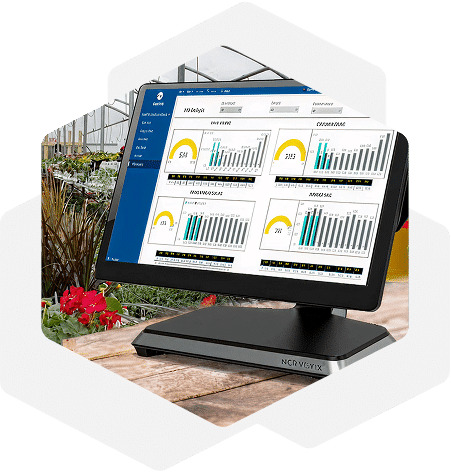
Better plant care communication. Better customer outcomes.
When customers receive clear and consistent plant care instructions, they are more likely to succeed with their plants and trust your expertise.
Results You Can Expect
- Fewer plant returns and losses
- Improved customer satisfaction
- More consistent staff communication
- Faster customer service at checkout
- Stronger nursery brand trust
- Better post-purchase plant success
Explore More Green-Industry Solutions

Efficient green inventory management is crucial for any garden retail POS system.

Rapid Garden POS allows you to store and provide to your garden customer growing and plant care instructions for your green stock. Instructions can be delivered by email or printed. Rapid can also create custom signage to put around your nursery. This feature saves time, improves customer satisfaction and ensures that your nursery customers receive consistent accurate advice from your team. It also reduces customer returns/exchanges of plants that “unknowingly”…

Rapid Garden POS system brings you the ultimate solution for your Garden Center CRM (Customer Relationship Management) and Email Marketing needs. With our integrated system, managing customer relationships and executing marketing strategies has never been easier. Designed specifically for garden centers, our POS system offers a range of key features that will revolutionize your business: Keep track of nursery customer sales, customer contact info, etc., directly from the POS system;…
HARDWARE & Software SOLUTIONS
Grow With Confidence
See how Rapid Garden POS can simplify your inventory management, strengthen your reporting, and give you full control of your operations.
It’s your all-in-one system built for the green industry.

Mobile POS Solutions Tailored for Every Location

Get Rugged POS
Hardware

Read About Garden Industry Expertise
grow care instructions
Rapid Garden POS allows you to store and provide to your garden customer growing and plant care instructions for your green stock. Instructions can be delivered by email or printed. Rapid can also create custom signage to put around your nursery. This feature saves time, improves customer satisfaction and ensures that your nursery customers receive consistent accurate advice from your team. It also reduces customer returns/exchanges of plants that “unknowingly” died in the care of your customer.
Integrate Gardenware® or Horticopia® into the Rapid Garden POS
You even have the option of integrating the Gardenware® or Horticopia® plant library which offers customers important product information on more than 7,500 plant varieties including:
- Flower, Fruit or Foliage Color
- Hardiness Zone
- Mature Height and Spread
- Sun Exposure
- Shape/Form
- Flower Time
FAQ
Common questions about plant care information
How do I keep plant care advice consistent across staff?
Plant care information is centralised at the point of sale, so any staff member gives the same guidance instead of relying on individual knowledge.
Can it handle care data for a large plant range?
Yes. Managing care data for large plant ranges is a core function, using structured plant data rather than loose notes.
Can this reduce plant returns?
Returns caused by incorrect care guidance are one of the problems this addresses. Standardised information delivered at purchase means customers leave knowing how to keep the plant alive.