As daylight hours shrink and winter weather settles in, millions of Americans brace for a familiar seasonal shift: lower energy, declining motivation, and a noticeable drop in mood.
But which cities feel the “winter blues” more than others, and how are Americans coping with the seasonal slump?
To find out, Rapid Garden POS analyzed hundreds of Google search terms related to Seasonal Affective Disorder (SAD), winter depression, and coping strategies across the nation’s largest cities.
We also surveyed 1,000 U.S. adults to learn how winter affects their emotional well-being, and the surprising role houseplants can play in boosting mood during the darkest months of the year.
In many cities, residents are actively searching for ways to manage seasonal depression and turning to indoor greenery to brighten their homes, reduce stress, and stay grounded through the coldest stretch of the year.
Below, we break down the cities searching the most for SAD support, which cities are embracing winter houseplants, and what Americans say helps them cope throughout the winter.
Key Findings
- Cities where seasonal depression hits hardest, according to search trends: Minneapolis, Cleveland, Seattle, Atlanta, and Pittsburgh.
- 2 in 3 say their mood and energy worsen during the winter months.
- 31% feel they suffer from SAD or winter depression.
- 61% say their mood worsens after the holiday season ends.
- 57% say houseplants reduce stress or boost well-being during the winter.
- America’s indoor winter gardening capitals: Atlanta, Minneapolis, Cleveland, Orlando, and Seattle.
Where Seasonal Depression Hits Hardest
During the winter months, search interest for Seasonal Affective Disorder rises sharply, but in some cities, residents appear to be struggling far more than others.
Our analysis of hundreds of SAD-related search terms revealed clear geographic patterns, with colder northern metros topping the list, followed by a surprising mix of cities in the Southeast.
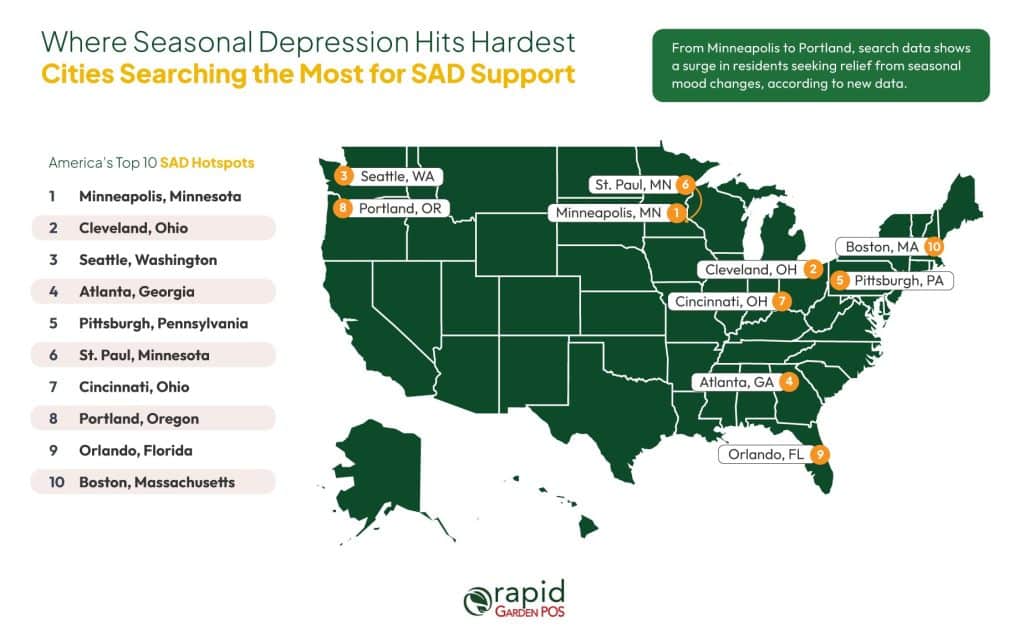
Minneapolis ranks No. 1 for SAD search activity per capita, followed closely by Cleveland and Seattle, which are two cities long associated with cloudy winters and limited daylight.
But not all top-ranking cities fall in northern climates. Places like Atlanta, Orlando, and Miami also appear in the top 20, suggesting that winter mood changes aren’t driven by temperature alone, but by shifting routines, reduced sunlight exposure, and the post-holiday emotional slump many Americans experience.
Here’s a closer look at the cities showing the highest demand for information and support related to SAD, winter depression, and coping strategies.
This search behavior aligns closely with our survey findings, which reveals two-thirds of Americans say their mood and energy are worse in the winter, and nearly 1 in 3 believe they experience SAD or winter depression.
With many cities turning to Google for help, the data offers a window into where residents may be feeling the seasonal shift most intensely, and where support, resources, or winter wellness strategies could have the greatest impact.
How Americans Experience the Winter Blues

To better understand how Americans cope with seasonal mood changes, we surveyed 1,000 Americans about their experiences with the winter blues, Seasonal Affective Disorder (SAD), and the habits they turn to for relief.
According to respondents, winter-related mood changes start well before temperatures drop. Two in three Americans say their mood and energy are noticeably worse during the winter months, and almost one in four say symptoms kick in during December or January, while 61 percent feel their mood declines even further once the holiday season ends.
Many respondents also report spending far less time outdoors, averaging just two hours per day, which contributes to the seasonal dip in motivation.
SAD Is More Common Than Many Realize
While SAD is often discussed as a clinical diagnosis, many Americans say they relate to its symptoms. Nearly one in three (31%) feel they personally experience Seasonal Affective Disorder or winter depression, and 60 percent say their productivity and motivation noticeably decline during the season. Reduced daylight, colder temperatures, and staying indoors more often all appear to compound these feelings.
How Americans Cope With the Winter Blues
When it comes to coping methods, Americans turn to a blend of social connection, movement, and simple lifestyle adjustments. Talking with friends or family and exercising are the two most common approaches, each used by 46 percent of respondents. Spending time outdoors or seeking sunlight follows closely at 41 percent, while 37 percent take vitamins to help maintain energy and mood stability. Another 30 percent say they turn to decorating or home projects. These small changes can help make environments feel brighter during the darker months.
Houseplants Play a Growing Role in Winter Wellness
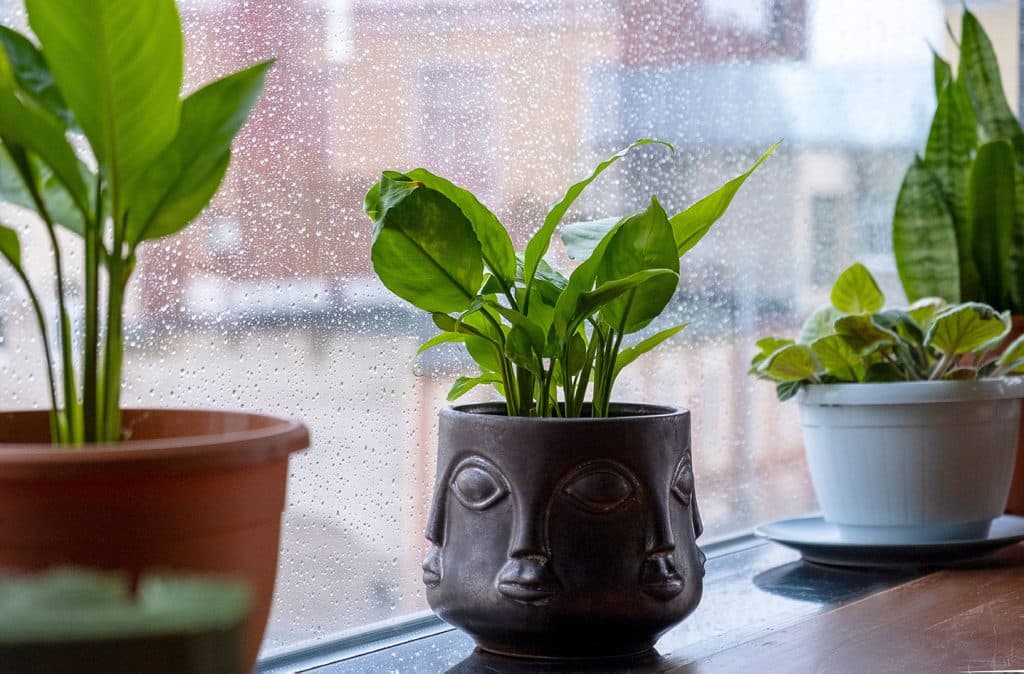
Indoor plants also play a meaningful role in emotional support during the winter. A majority of Americans (57%) believe houseplants help reduce stress or improve well-being during the colder months, and nearly one in five (19%) have purchased a plant specifically to improve their mood during winter.
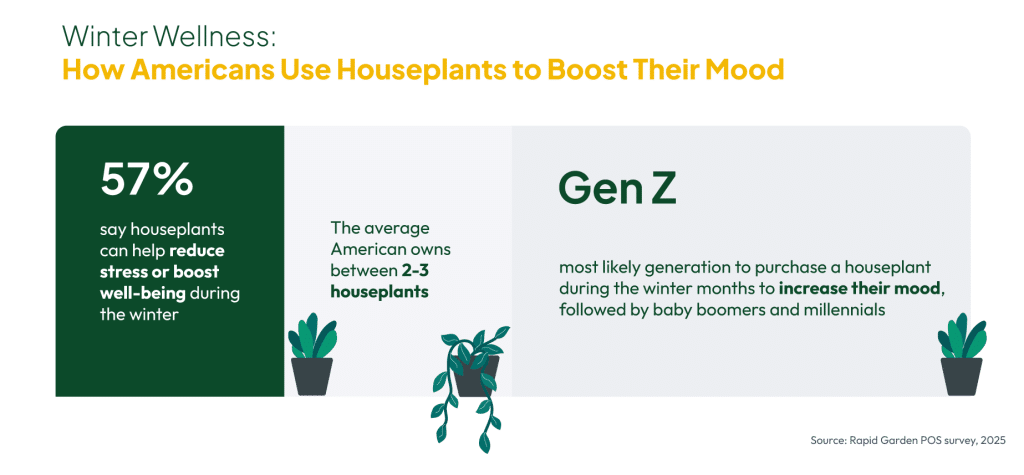
On average, Americans own between two and three houseplants, with Gen Z most likely to add new plants to their home as part of their winter wellness routine.
America’s Houseplant Hotspots
While some cities turn to houseplants as a home décor trend, others rely on them as an emotional lifeline during the darkest months of the year.
To understand where Americans are most likely to reach for greenery when the winter blues set in, we analyzed winter search behavior for terms related to indoor plants, plant care, and houseplant shopping across major U.S. cities.
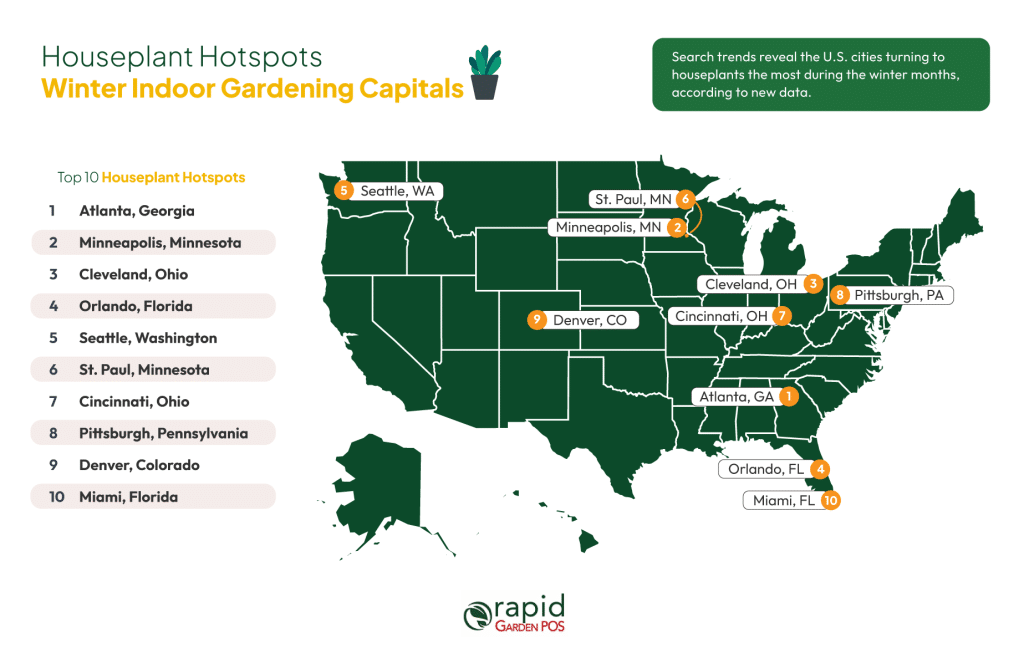
Our analysis found that interest in houseplants spikes significantly during the winter months, and many of the cities searching the most for SAD support are also the cities searching most for indoor greenery.
Atlanta ranks No. 1 for winter houseplant searches, followed by Minneapolis and Cleveland, both of which also rank among the top three cities searching most for SAD support. Orlando, Seattle, St. Paul, Cincinnati, and Pittsburgh also appear across both lists, suggesting that residents in these areas may be using houseplants as a meaningful strategy for boosting mood and comfort during the colder season.
Other cities showing strong winter interest in houseplants include Denver, Miami, Baltimore, Las Vegas, and Portland, which is a mix of cities that spans both traditionally cold-weather climates and sunnier regions where reduced daylight still shapes seasonal routines.
Much like the SAD search patterns, the cities leading in houseplant interest share characteristics that amplify winter challenges: reduced sunlight, earlier sunsets, and long stretches spent indoors. In these environments, houseplants offer a low-cost way to brighten home spaces, improve air quality, and create a sense of calm.
Seasonal Affective Disorder and the winter blues touch nearly every corner of the country, but Americans aren’t weathering the colder months passively. From prioritizing outdoor sunlight to embracing houseplants as mood-boosting companions, people are actively seeking ways to brighten their homes and improve their well-being during the darkest time of the year.
Methodology
In November 2025, Rapid Garden POS surveyed 1,008 U.S. adults to better understand how Americans experience seasonal mood changes during the winter months and how indoor houseplants may help support emotional well-being. The survey included questions about SAD symptoms, coping behaviors, winter routines, and attitudes toward indoor plants.
Demographics
The survey respondents included 58% females, 40% males, and 2% identifying as non-binary/non-conforming. The average age of the respondents was 45 years. Limitations: The survey responses rely on self-reporting, which may be subject to recall bias or social desirability bias.
Search Analysis Methodology
To identify which cities show the strongest interest in Seasonal Affective Disorder (SAD) support and winter houseplants, we conducted a Google search trends analysis and evaluated search activity in 70+ U.S. cities with populations of 300,000 or more. We compiled a list of hundreds of SAD-related keywords, including terms such as: “seasonal affective disorder symptoms,” “seasonal depression treatment,” and “how to cope with winter blues.”
To identify “houseplant hotspots,” we analyzed search volume for terms related to indoor plants and plant care during the winter months (December-March), including: “winter houseplants,” “indoor plant care,” and “best indoor plants for winter.”
For each city, we calculated the average monthly search volume, then normalized search activity per 100,000 residents to allow for accurate comparison across cities of varying population sizes.